MTU Ready – Arrival Toolkit for First-Year Students
Supporting Successful Student Transitions at MTU
MTU Ready is a student transition initiative developed by AnSEO - The Student Engagement Office at Munster Technological University (MTU) and supported through Technological Sector Advancement Fund (TSAF) funding.
Originally launched as a pilot project in advance of the 2025/26 academic year, MTU Ready was designed to help incoming students reflect on their readiness for university, connect early with supports, and identify any areas where they may benefit from additional guidance.
The project combines a student self-assessment check-in, personalised feedback, practical resources, and institutional insight to support a smoother transition into higher education.
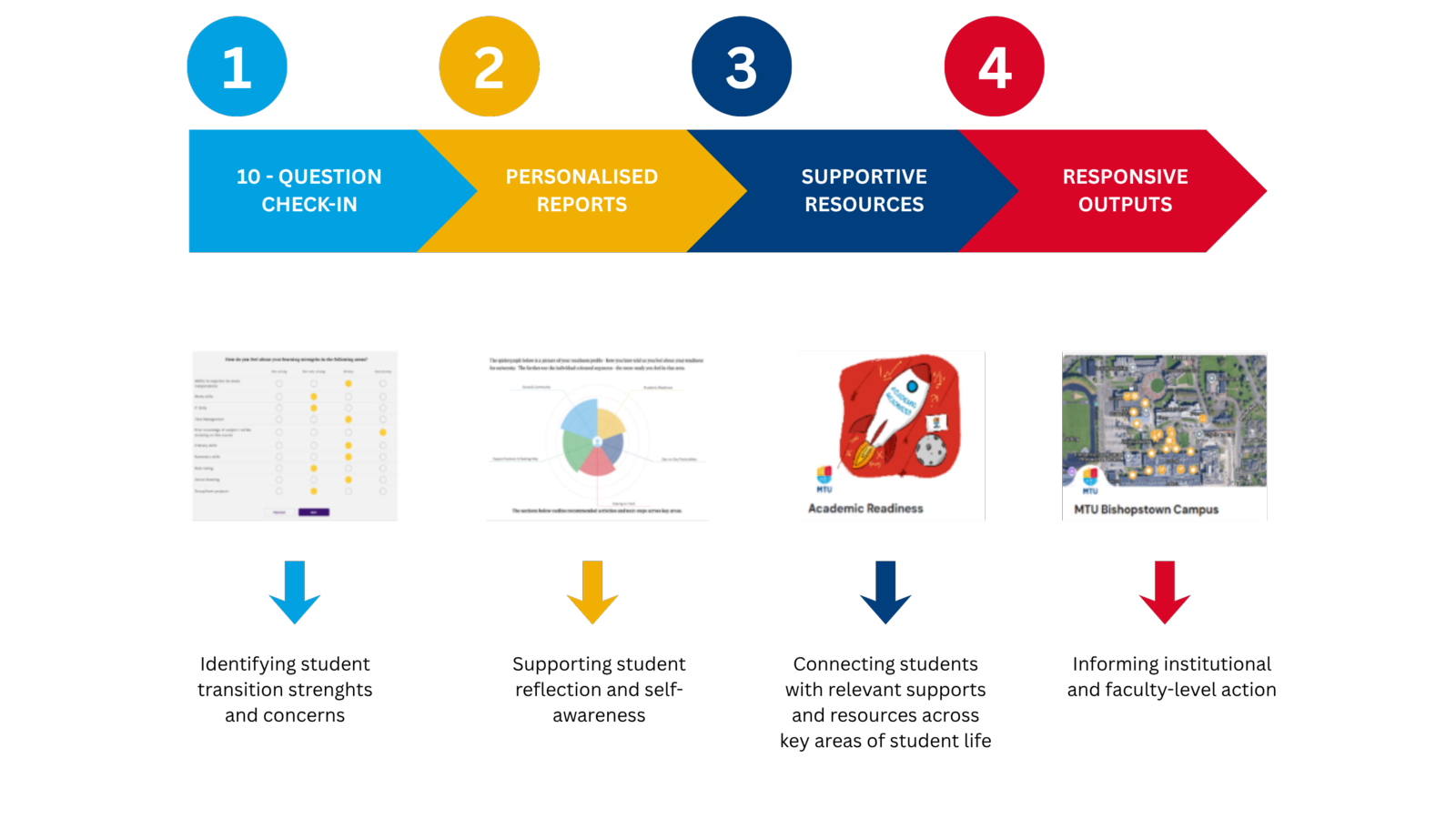
Helping students feel confident, connected, and ready for university life
What is MTU Ready?
MTU Ready is an online arrival check-in tool available through the Potential.ly platform.
Students complete a short self-assessment check-in and receive a personalised feedback report that:
- Highlights strengths and areas of confidence
- Identifies potential transition challenges
- Signposts relevant MTU supports and services
- Encourages early engagement with academic, personal and social supports
The platform also provides access to a range of resources designed to help students prepare for university life and navigate their first year successfully.
Meet the MTU Ready Team
MTU Ready was developed through a collaborative, cross-institutional approach involving colleagues from Student Engagement, Teaching & Learning, IT Services, academic departments, student support services and student representatives across MTU.
The initiative was led by AnSEO - The Student Engagement Office.
Project Leaders
- Róisín O’Grady - Student Engagement Officer
- Dr Angela McGlynn - Project Officer
- Linda O’Sullivan - Academic Project Lead
Project Team
- Marian Lawlor
- Rebecca Noonan
- Dr Shane O’Mahony
Graduate Interns
- Josh Ababon
- Amy O’Carroll
Collaborators and Partners
MTU Ready was supported through collaboration with:
- Potential.ly
- MTU IT Services
- Academic Learning Centre
- EDGE Graduate Development Programme
- Student Engagement Associates
- Academic and professional staff across MTU's six campuses
Why MTU Ready?
Pre-arrival/arrival surveys help universities respond to the real, timely needs of incoming students - rather than relying on past data alone.
MTU Ready is inspired by international best practice, including:
- University of Leuven, Belgium – Stress & motivation modules
- University of Reading, UK – Life Tools webinar series
- Abertay University, Scotland – Mandatory self-assessment modules
- Skills Development Scotland – Self-Evaluation Wheel for life skills
These initiatives demonstrate the value of connecting with students before they start university to better support their transition and success.
What Are the Final 10 Questions?
The questionnaire includes a mix of demographic, reflective, and confidence-based questions. It asks students about:
- Their course and age group
- Accommodation plans
- Reasons for choosing their course
- What they’re most looking forward to
- Confidence in key academic and university life skills
- Awareness of available MTU supports
- Strengths in how they learn
- Willingness to seek help
- What supports would help them succeed
- Final open comment box for suggestions
These responses provide actionable insights and guide students to the right supports before they need them.
Why It Matters
MTU Ready helps incoming students reflect, plan, and feel seen before they start studying at MTU. It encourages:
- Early engagement with supports
- A culture where seeking help is normal
- Greater retention and a stronger first-year experience
We’re not just preparing students for university - we’re preparing the university for its students.
Project Background
Research consistently shows that the transition into higher education is one of the most significant stages of the student lifecycle.
Students arrive with different levels of confidence, preparedness, support networks, and understanding of university life. While institutions often collect information about students after difficulties emerge, MTU Ready was designed to engage with students before challenges become barriers.
The MTU Ready pilot was informed by:
- International research on student transition and engagement
- A review of pre-arrival initiatives across higher education, including;
- University of Leuven, Belgium - Stress & motivation modules
- University of Reading, UK - Life Tools webinar series
- Abertay University, Scotland - Mandatory self-assessment modules
- Skills Development Scotland - Self-Evaluation Wheel for life skills
- Student focus groups involving over 170 MTU students
- Collaboration with academic and professional staff across MTU
- Ongoing consultation with student representatives and support services
The goal was simple:
To better prepare students for MTU, and better prepare MTU for its students.
The project was developed through a partnership between AnSEO - The Student Engagement Office, the Teaching & Learning Unit, MTU IT Services, Student Engagement Ambassadors, academic departments, and student support services.
What Students Told Us
The MTU Ready pilot generated responses from 1,492 incoming students, representing 44% of the incoming first-year cohort (n=3,390). This provided a substantial evidence base for understanding students' expectations, concerns, motivations and support needs as they prepared to begin university.
Several key themes emerged from the data.
Students are motivated and ambitious
75.6% of respondents indicated that their primary motivation for choosing their programme was an interest in the subject area.

Students arrive at MTU highly motivated and eager to engage with their chosen field of study and parents, teachers, guidance counsellors and university staff all played an important role in shaping students’ pathways into higher education.
Students value connection and belonging
65.2% of students reported that they were most looking forward to meeting new people, while 54.2% identified making friends as an important part of their university experience.

These findings highlight the importance of creating opportunities for connection, belonging and community from the earliest stages of the student journey.
Students need support navigating university life
47.7% of respondents reported concerns about navigating the physical and academic environment of university.
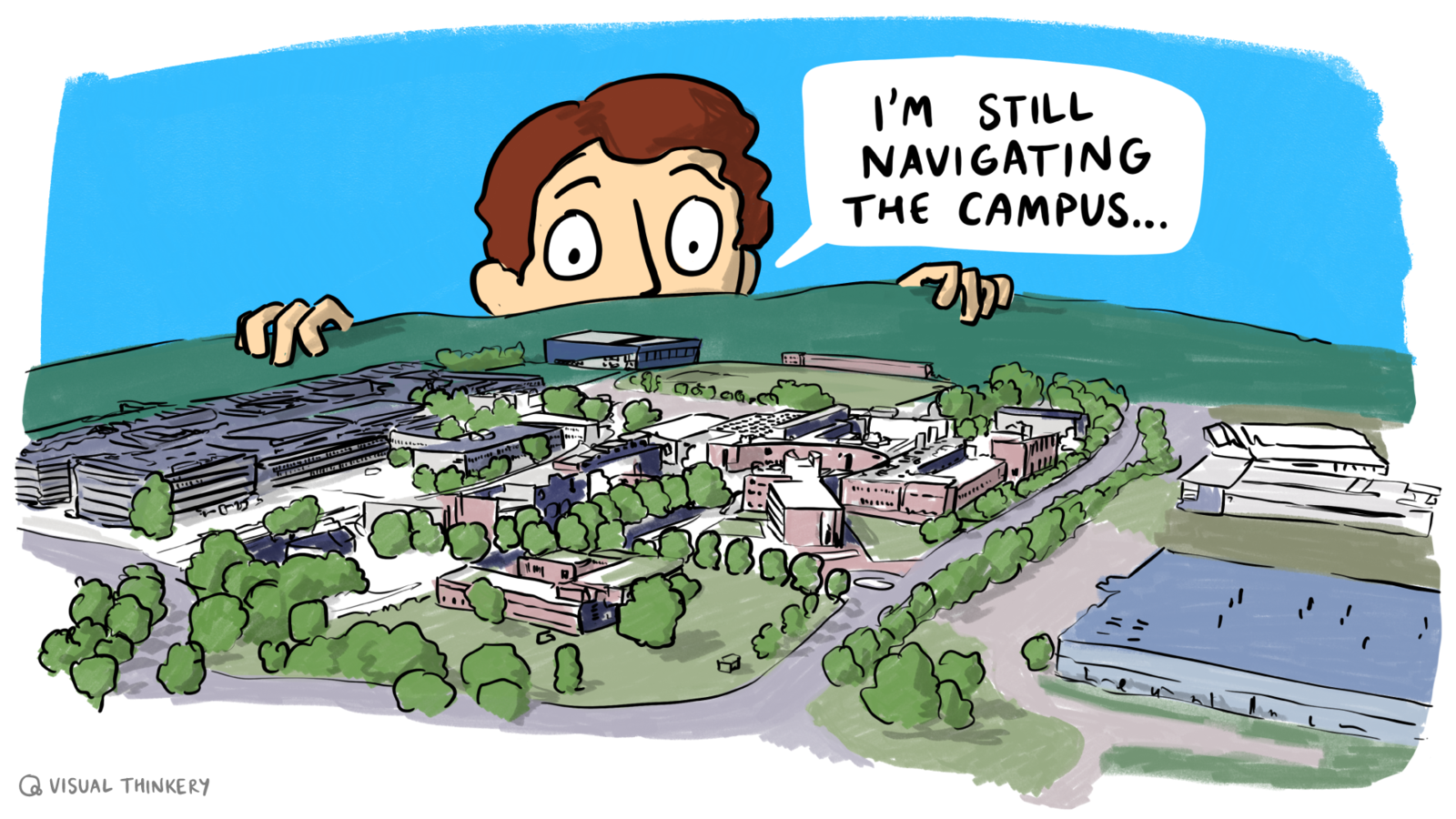
This highlights the importance of clear information, orientation activities and proactive transition supports that help students successfully navigate the academic, administrative and social dimensions of university life.
Students have concerns about managing finances
More than half of respondents reported low confidence in managing their finances while studying.

This reinforces the need for accessible information, guidance and support around financial wellbeing and student budgeting.
Students are adjusting to new ways of learning
Students identified group work, collaborative learning and adapting to university-level study as areas where they may require additional support.
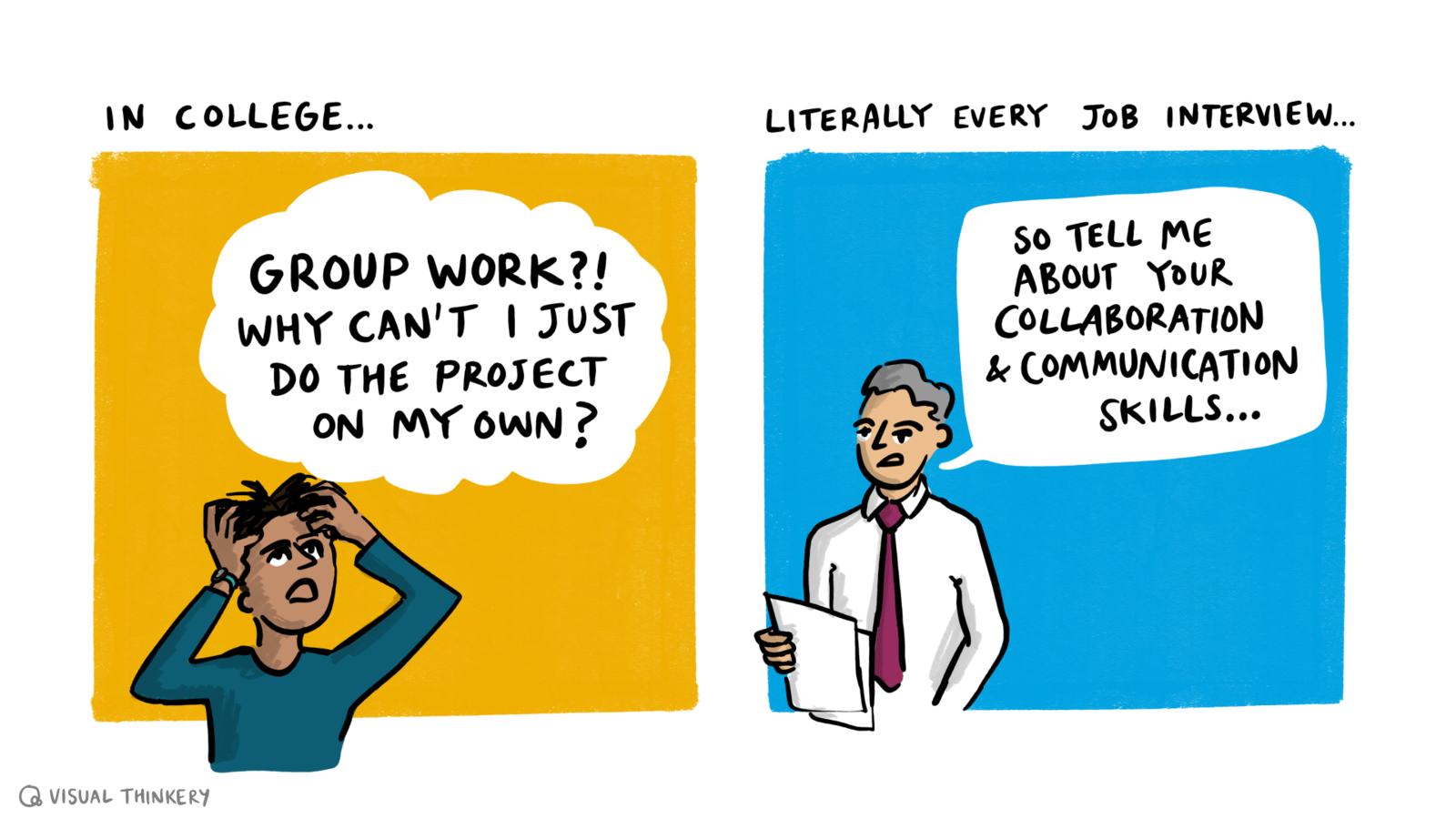
These findings highlight the importance of helping students build confidence in academic skills and collaborative learning practices.
Help-seeking is not always straightforward
While many students recognised that they may need support during their studies, a significant proportion indicated some hesitation about seeking help.
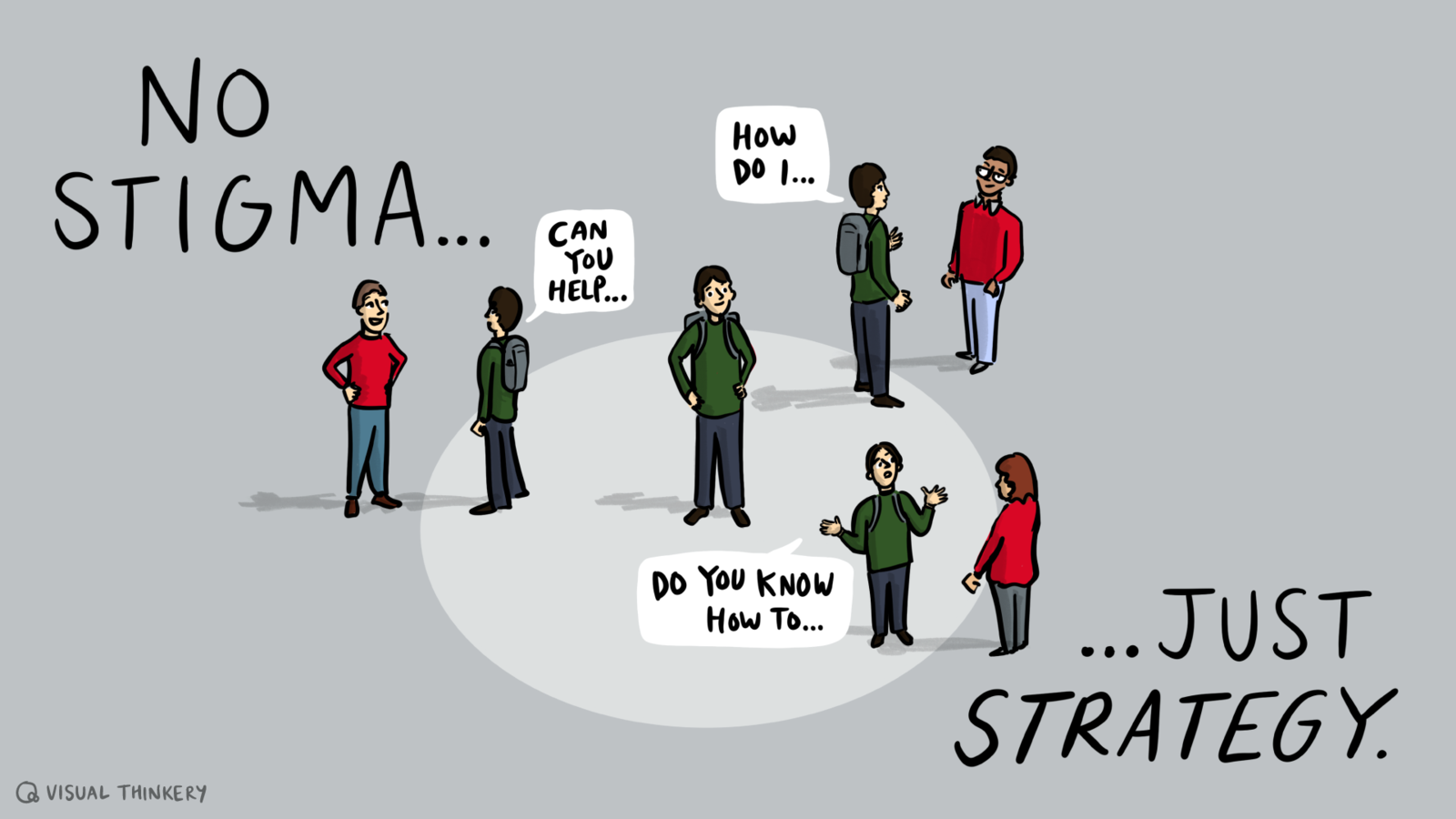
This highlights the importance of making supports visible, accessible and easy to engage with before difficulties emerge.
Digital confidence matters
The findings also highlighted the importance of digital skills and confidence in supporting student success.
This insight informed subsequent work around digital literacy and the development of new student supports through the EDGE Graduate Development Programme.
Survey Confidence: With 1,492 responses from a population of 3,390 students, the findings are representative of the incoming cohort with an estimated margin of error of ±3% at the 95% confidence level.
From Insight to Action - Responding to What Students Told Us
A key principle of MTU Ready was that student feedback should lead to meaningful action.
The findings informed a range of student engagement initiatives, support resources and institutional responses designed to address the needs identified by students.
Building Connection and Belonging
MTU Ready Finding
65.2% of students reported looking forward to meeting new people.
Student Insight
Students value social connection and belonging.
MTU Response
In response, AnSEO Learning Festival activities, including social events, giveaways and informal engagement opportunities, were designed to support early peer connection.
.jpg)
Supporting Group Work and Collaboration
MTU Ready Finding
14.2% of students identified group work as a challenge.
Student Insight
Students may need collaborative learning support.
MTU Response
Targeted workshops were developed to help first-year students build confidence and skills in collaborative learning.
.jpg)
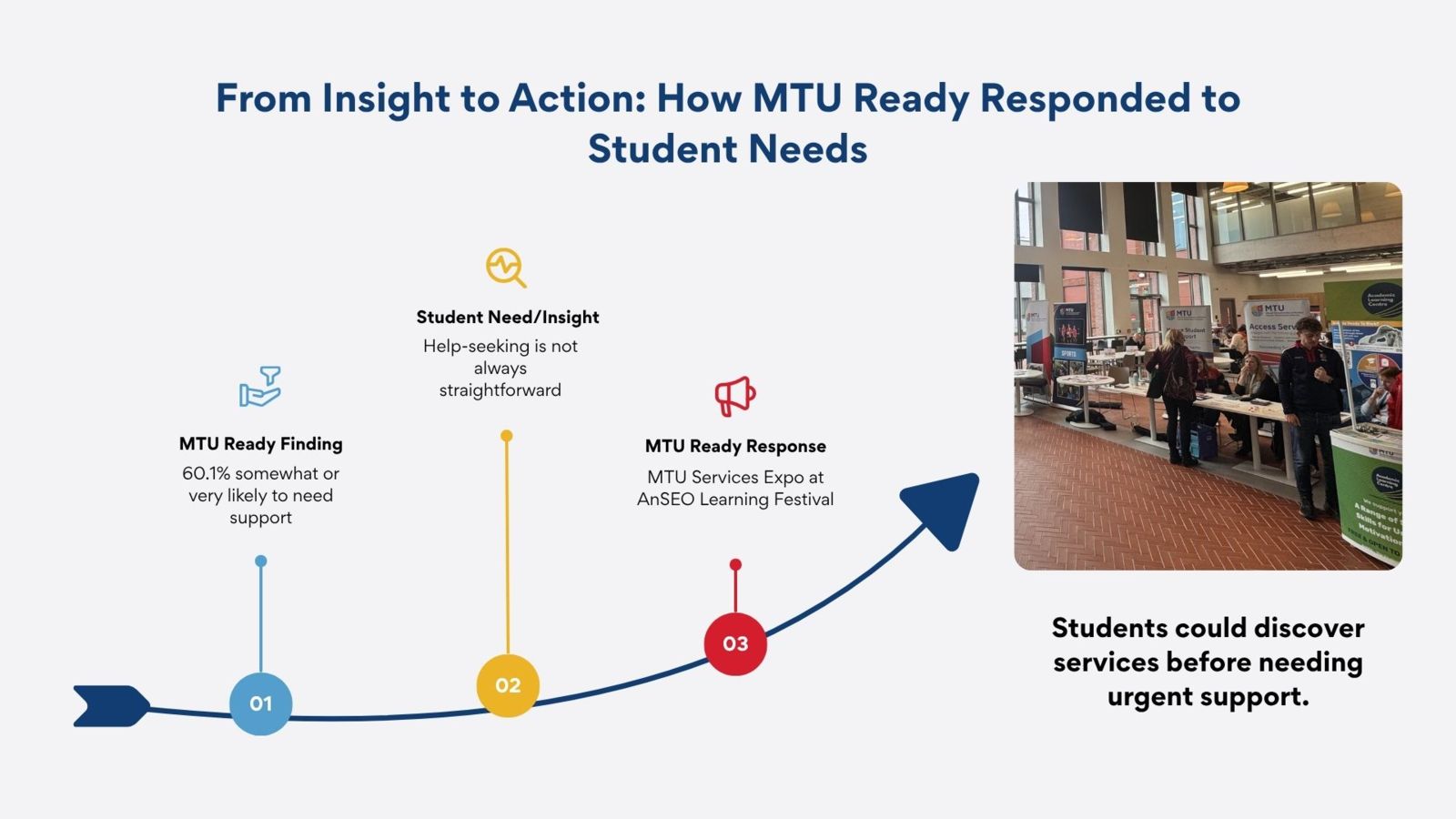
Promoting Help-Seeking
MTU Ready Finding
60.1% of students indicated they were likely to need support during their studies.
Student Insight
Help-seeking is not always straightforward.
MTU Response
The MTU Services Expo introduced students to available supports before challenges emerged.
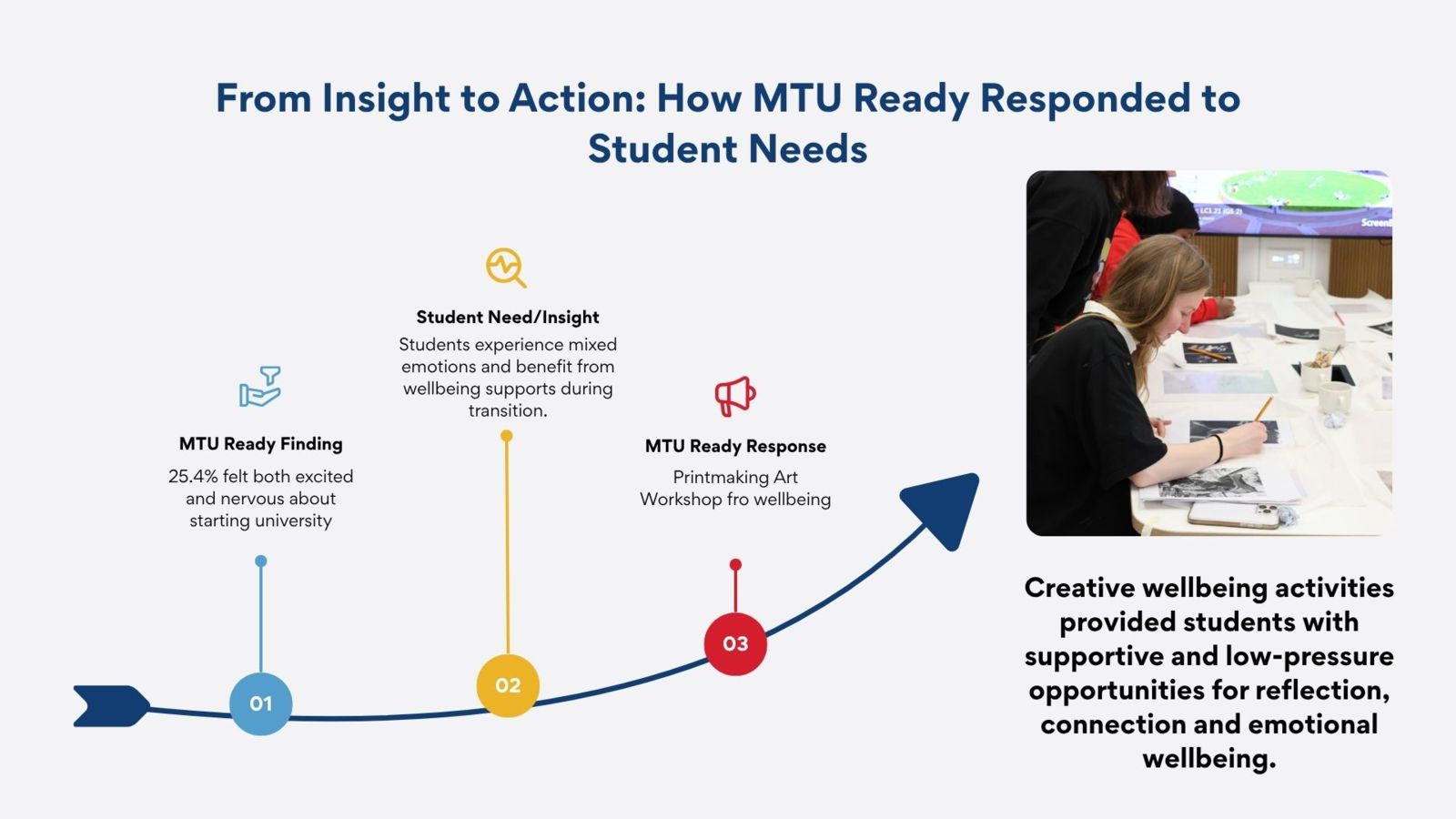
Supporting Wellbeing During Transition
MTU Ready Finding
25.4% of students felt both excited and nervous about starting university.
Student Insight
Students experienced mixed emotions and benefit from wellbeing supports during transition.
MTU Response
Creative wellbeing activities provided supportive spaces for reflection and connection.
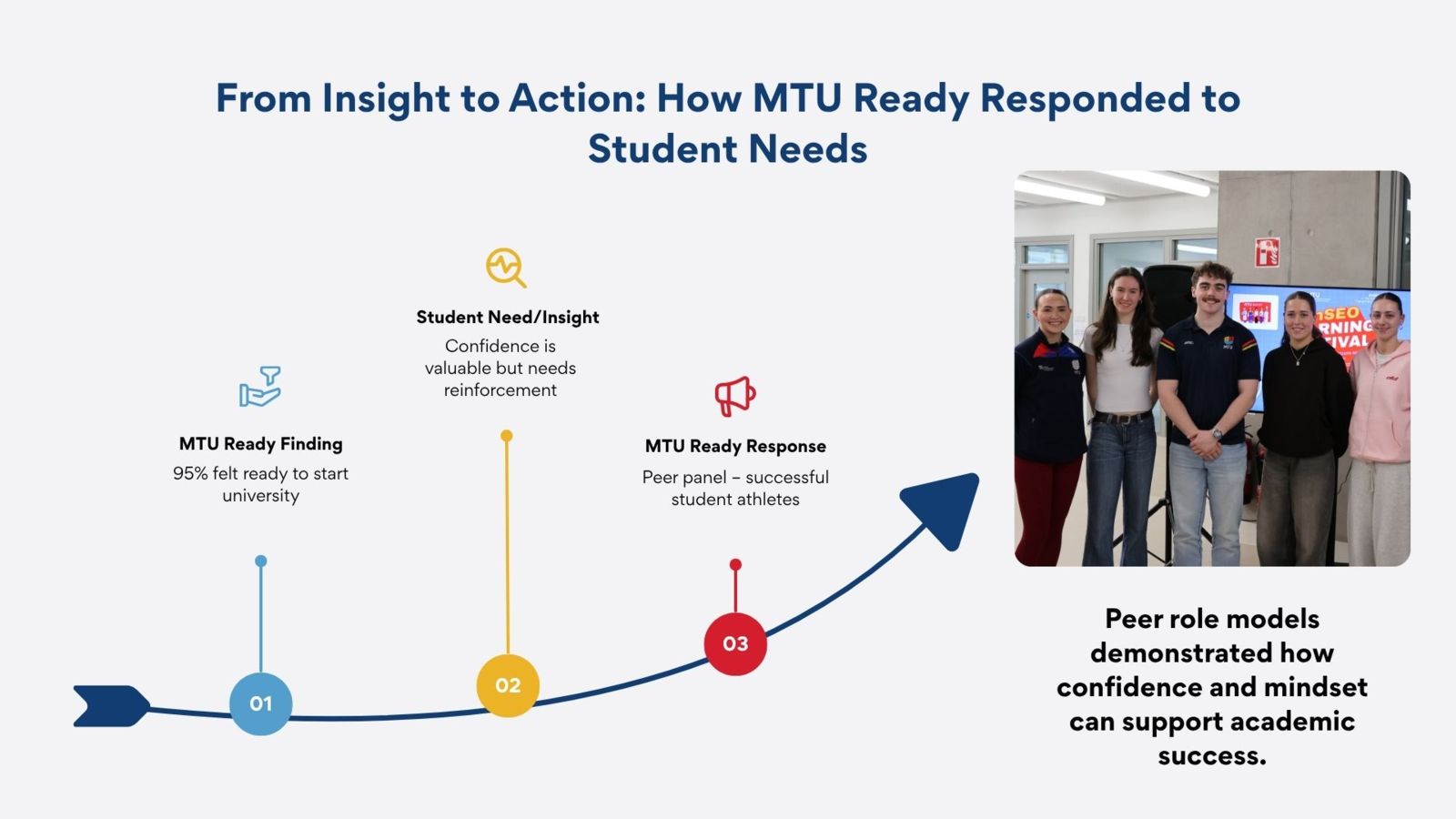
Supporting Student Confidence
MTU Ready Finding
95% of students reported feeling ready to begin university.
Student Insight
Confidence is valuable but needs reinforcement.
MTU Response
Peer panels featuring successful student-athletes reinforced positive messages around confidence, resilience and belonging.
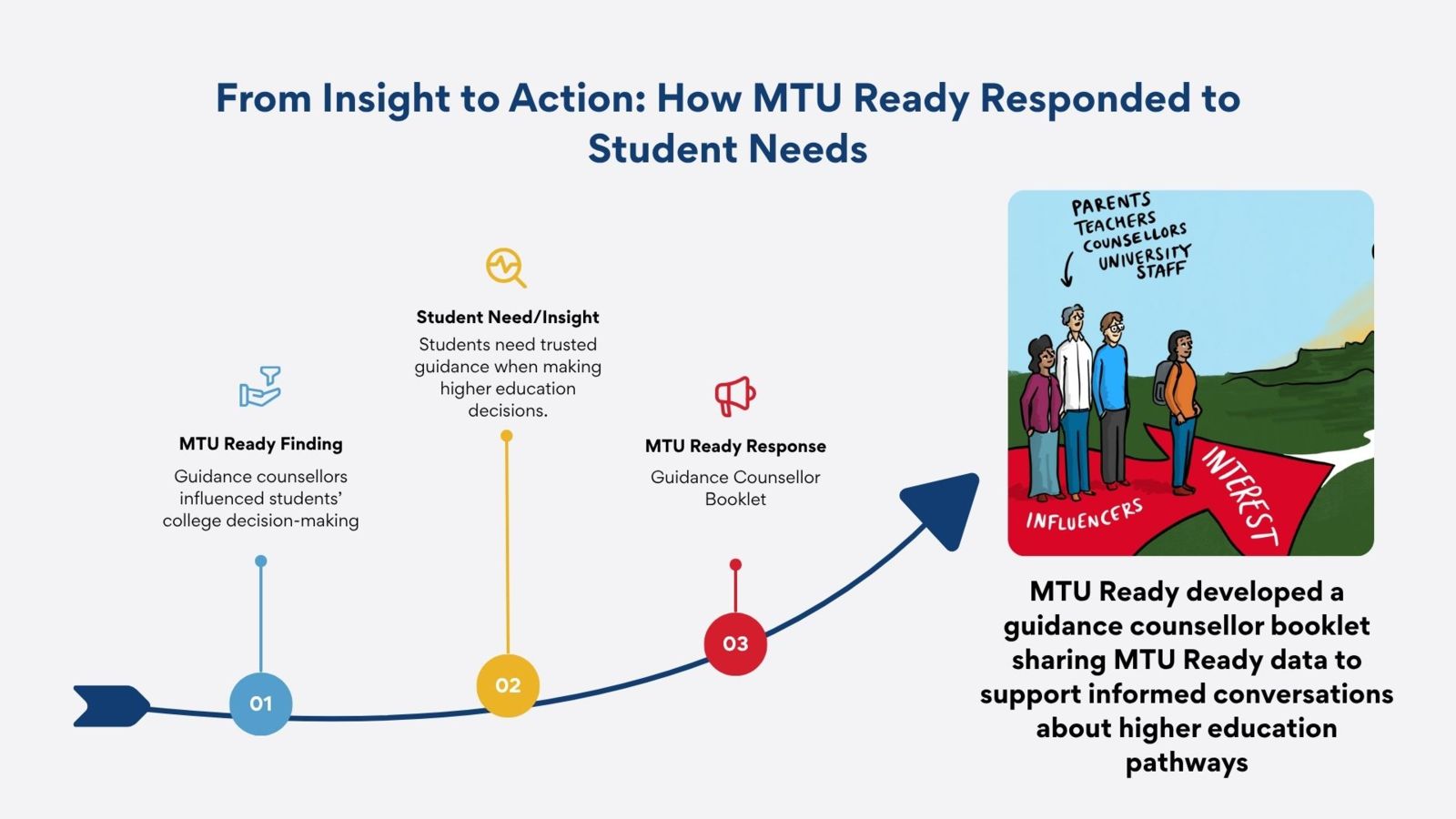
Supporting Guidance and Decision-Making
MTU Finding
Guidance counsellors emerged as an important influence in students' decision-making processes.
Student Insight
Students need trusted guidance when making higher education decisions.
MTU Response
A Guidance Counsellor Information Booklet was developed to share MTU Ready findings and support informed conversations about higher education pathways and student transition.
Digital Skills & Literacy
One of the themes emerging from MTU Ready was the importance of digital confidence and digital literacy in supporting a successful transition to higher education.
While today's students are often described as "digital natives", familiarity with everyday technology does not necessarily mean students feel confident in all aspects of digital learning and working.
Insights from MTU Ready informed the development of a Digital Skills & Literacy Pathway within the EDGE Graduate Development Programme, working alongside colleagues from EDGE, MTU IT Services, Potential.ly and Student Engagement Associates.
The pathway supports students in exploring areas such as:
- MTU Digital Systems
- Digital Communication & Collaboration
- Office Productivity
- File Management
- Information Literacy
- Cybersecurity Awareness
- Academic Integrity Awareness
- Professional Digital Identity
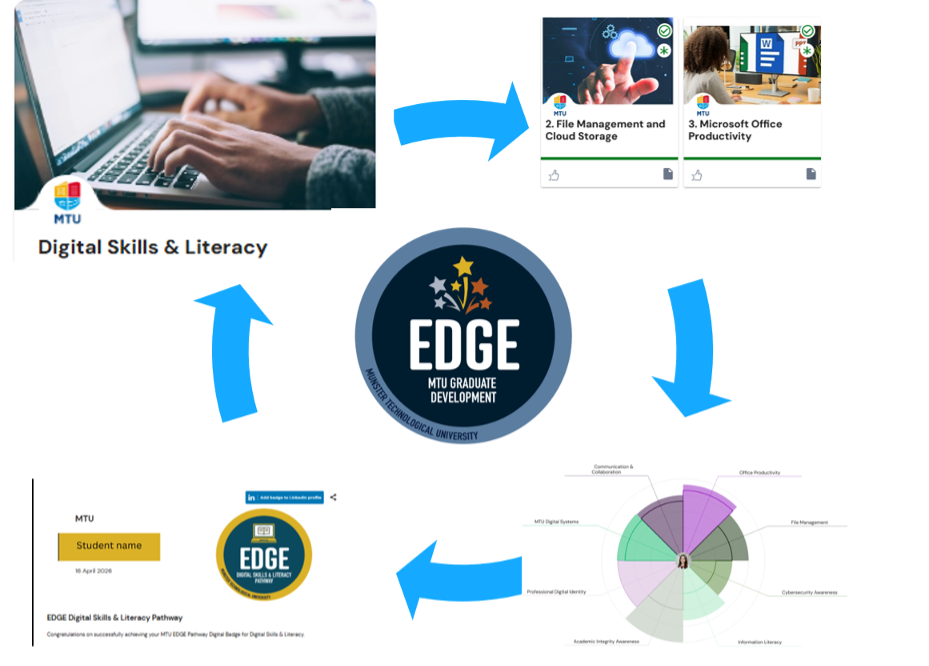
The development of the pathway demonstrates how student insight can inform wider institutional initiatives and contribute to longer-term student success strategies.
Rather than creating a standalone intervention, the findings from MTU Ready informed the development of a sustainable resource that can continue to support students throughout their time at MTU.
Institutional Impact
While MTU Ready was designed as a student-facing initiative, it has also generated important institutional benefits.
Evidence-Informed Decision Making
Faculty reports provided, for the first time, institution-wide insight into the experiences and needs of incoming students.
These reports are supporting more targeted discussions around student support and transition
Cross-Institutional Collaboration
The project brought together colleagues from:
- AnSEO - The Student Engagement Office
- Teaching and Learning Unit
- IT Services
- Academic departments
- Student support services
- EDGE
- Student representatives
This collaborative approach was critical to the development and implementation of the initiative.
Strategic Alignment
MTU Ready aligns with key national priorities relating to student success, engagement and progression, including:
- HEA Student Success Framework Review (2025) https://hea.ie/assets/uploads/2025/07/HEA-Student-Success-Framework-Review.pdf
- National Strategy for Higher Education to 2030 https://hea.ie/assets/uploads/2017/06/National-Strategy-for-Higher-Education-2030.pdf
- National Access Plan 2022-2028 https://hea.ie/assets/uploads/2022/08/Online-National-Access-Plan-2022-2028-FINAL-1.pdf
Dissemination
MTU Ready has been shared through:
- European Conference for Student Affairs and Services (ECSAS) 2025, Porto https://www.euca.eu/ecsas2025
- European First Year Experience Conference (EFYE) 2026, Szeged https://www.efye.eu/
- HEA Policy Forum on Student Progression https://hea.ie/policy/hea-policy-forum-on-student-progression-in-higher-education/ 2026
- National Forum Exemplar Collection Submission https://hub.teachingandlearning.ie/student-progression-in-higher-education/entry/12844/#entrya
- Elevate Ireland case study showcase - Digital affordances https://www.advance-he.ac.uk/knowledge-hub/elevate-ireland-case-study-showcase
Resources Developed Through MTU Ready
A number of resources were created through the project and remain available to students and staff.
For Students
- MTU Ready Academic Planner (View Here)
- MTU Ready Campus Maps (View Here)
- Digital Skills & Literacy Pathway on the existing EDGE platform.
For Staff
- Resources for Supporting First-Year Students
Future Development
MTU Ready continues to inform institutional work on student engagement and transition support.
Future areas of development include:
- Embedding MTU Ready within MTU’s wider digital ecosystem
- Using project insights to inform institutional planning and funding initiatives
- Expanding transition support across the student lifecycle
- Exploring additional transition check-points beyond first year
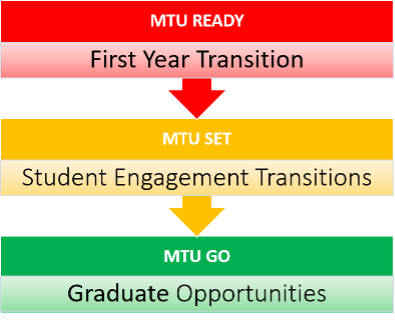
The longer-term ambition is to build a connected transition framework that supports students throughout their entire MTU journey. This emerging model is reflected in the development of:
MTU Ready
Supporting students as they transition into higher education.
MTU SET
Exploring support for key transition points during a student's programme of study.
MTU GO
Supporting transition beyond university into employment, further study and graduate opportunities.
Useful Links
- Login to MTU Ready https://myapps.microsoft.com/
- MTU Ready Academic Planner - mtu-ready-academic-planner
- MTU Ready Campus Maps - mtu-ready-campus-maps
- Resources for Supporting First-Year Students - mtu-ready-resources-for-lecturers
- Academic Learning Centre - alc
- EDGE Graduate Development Programme - edge
- Contact AnSEO Team - https://forms.office.com/Pages/ResponsePage.aspx?id=YeBehAAHKkGQ9RRl-5o58fvQQAm8LpJIp8iX9y8TnJVUN0ZFVUY4MEpFTjZZNERNTFRKVVRQTFNHUyQlQCN0PWcu
Want to Learn More?
Watch the MTU Ready Overview Video
Contact AnSEO - The Student Engagement Office
For further information
- About MTU Ready please contact the project coordinators:
- Roisín O’Grady (roisin.ogrady@mtu.ie)
- Dr Angela McGlynn (angela.mcglynn@mtu.ie)
- Student engagement initiatives at MTU, please contact the AnSEO team (https://forms.office.com/Pages/ResponsePage.aspx?id=YeBehAAHKkGQ9RRl-5o58fvQQAm8LpJIp8iX9y8TnJVUN0ZFVUY4MEpFTjZZNERNTFRKVVRQTFNHUyQlQCN0PWcu)

